
The Hidden Cost of “We’ll Update the Menu Tomorrow”
By Ciandra Smit ·
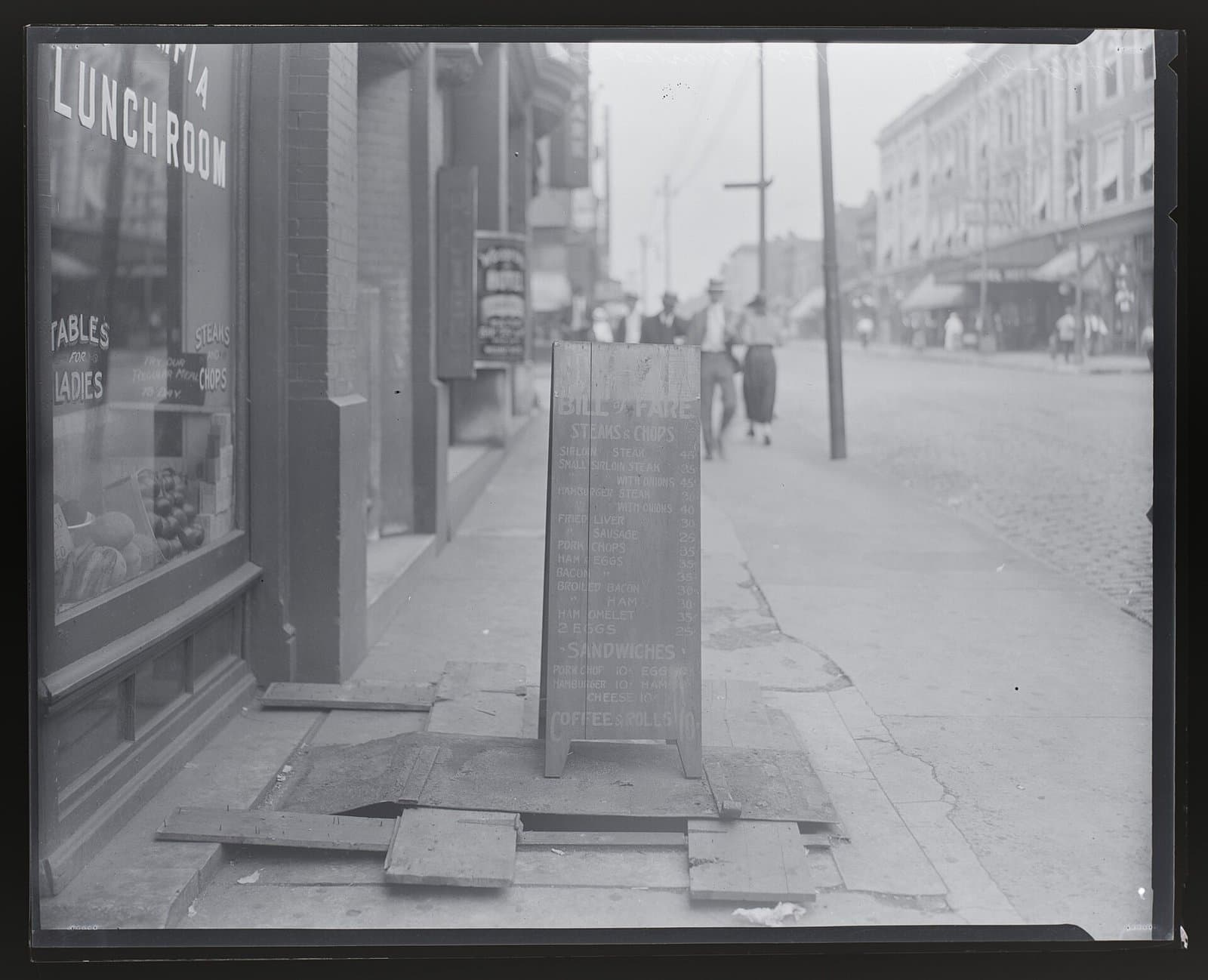
Running a restaurant, café or hotel is a constant balancing act. There are customers to serve, staff to manage, inventory to track, suppliers to coordinate with, and countless decisions to make throughout the day. With so much happening, it’s easy for something as simple as updating the menu to slip down the priority list.
“It can wait until tomorrow.”
It’s a phrase that seems harmless, but over time, delayed restaurant menu updates can quietly cost your business more than you might realise. From lost sales to unhappy customers and unnecessary staff stress, an outdated menu creates problems that reach every part of your operation.
A Menu Is More Than a List of Dishes
Many business owners still think of a menu as something that gets printed every few months or changed when a new season arrives. In reality, your menu is one of the most active tools in your business.
It communicates prices, showcases your brand, highlights promotions, tells customers about dietary options and allergens, and guides purchasing decisions. When that information is inaccurate, customers notice.
An outdated menu can quickly undermine the professional image you’ve worked hard to build.
Small Changes Add Up Quickly
Food costs move more than ever. Ingredients become unavailable, suppliers change their prices, and seasonal items come and go.
Imagine you’ve increased the price of a popular pasta dish, but your printed menus still show the old price. Customers order expecting one amount, only to be told the price has changed. Even if the difference is small, it creates an awkward moment for both the guest and your staff.
Alternatively, you may choose to honour the outdated price to avoid conflict. That keeps the customer happy in the moment, but those small losses come straight out of your margin, and they accumulate over weeks and months.
The same issue applies when you introduce new menu items or remove dishes that are no longer available. Every delay means your menu becomes a little less reliable.
Customer Frustration Starts Before the Food Arrives
Customers appreciate consistency.
When someone reads a menu, they begin deciding what they’d like before speaking to a server. If they then discover that their chosen dish is sold out or the price has changed, disappointment sets in before the meal has even begun.
Repeated experiences like these often lead to comments such as:
“The menu wasn’t accurate.”
“They didn’t have what I wanted.”
“The prices were different.”
These frustrations may seem minor, but they’re often exactly the details that end up in online reviews, where future guests read them long before they visit.
In hospitality, customer perception matters just as much as the quality of the food itself.
Your Staff Shouldn’t Have to Memorise Every Change
Restaurant teams already have enough to remember.
When menus aren’t updated promptly, your front-of-house team has to explain unavailable dishes, correct prices, describe substitutions or apologise for inconsistencies, again and again, every shift.
Instead of focusing on delivering great service, they’re spending valuable time fixing problems that could have been avoided.
Keeping menus accurate helps your team feel more confident and gives them more time to engage with guests rather than manage confusion.
Printing Isn’t Always the Cheapest Option
Many businesses still print new menus whenever something changes. It has been the traditional approach for years, but it isn’t always the most practical one.
Frequent reprints can become expensive, particularly when:
Prices change regularly.
Seasonal specials rotate often.
Multiple locations need updated menus.
Separate menus exist for breakfast, lunch, dinner or drinks.
Beyond the printing costs themselves, someone still needs to proofread, distribute, replace and dispose of the old menus.
Those hours add up. And because every reprint takes time and money, it becomes tempting to wait, which is exactly how “we’ll update the menu tomorrow” turns into next month.
Flexibility Is Becoming a Competitive Advantage
Today’s hospitality industry moves quickly.
Restaurants introduce limited-time offers, cafés experiment with seasonal drinks, and hotels regularly update the dining experiences they offer guests.
Businesses that can respond immediately have an advantage.
If a dessert becomes unexpectedly popular, it can be highlighted straight away. If a supplier runs out of a key ingredient, the affected dishes can be removed before customers try to order them. If you decide to launch a weekend special, it can be promoted instantly instead of waiting for the next print run.
That flexibility lets businesses react to opportunities rather than being held back by outdated processes.
Consistency Builds Trust
Trust is built through small, consistent experiences.
When customers know your menu is accurate, they order with confidence. Staff answer fewer questions, service becomes smoother, and the whole dining experience feels more professional.
Accurate menus also help you present the same image everywhere a guest meets your business. Whether a customer is browsing your menu online before visiting, scanning a QR code at their table, or dining at another branch, they should see the same up-to-date information.
Consistency isn’t just about appearance. It’s about reliability.
Technology Should Simplify Your Business
Technology shouldn’t complicate your operations. It should remove repetitive tasks and free your team to focus on what they do best: creating memorable experiences for customers.
A digital menu turns restaurant menu updates into a job of minutes rather than days. Instead of worrying about reprints or outdated information, you manage your menu from one central place, and customers always see the latest version when they open it on their phone.
Whether you’re adjusting prices, adding new dishes, taking a sold-out item off the menu or promoting a seasonal special, changes can happen quickly and in real time.
Looking Ahead
Every restaurant owner understands that change is part of the business. Ingredients, prices, promotions and customer preferences evolve constantly.
The businesses that adapt fastest are often the ones that deliver the smoothest customer experience.
If you’ve ever found yourself saying, “We’ll update the menu tomorrow,” it may be worth asking how much that delay is really costing your business.
Restocarte is designed to make menu management simple. Restaurants, cafés, hotels and bars can update prices, descriptions and photos in seconds, hide a dish or a whole category the moment it runs out, and let guests open the menu instantly by scanning a QR code or tapping an NFC tag, with no app to install. Your menu stays accurate, up to date and ready whenever your business changes, so your team saves time, you cut unnecessary reprints, and your customers get the reliable experience they expect.
You can try it free for 30 days, with no credit card required.